Sponsored Content for Creators: How to Get Your First Newsletter Sponsor
Landing your first newsletter sponsor feels impossible until you know the exact steps. Real outreach templates, pricing strategies, and pitch examples that actually work for small newsletters.

Sarah had been publishing her marketing newsletter for six months. If you’re still building your list, start here. She had 2,800 subscribers, a solid 38% open rate, and readers who regularly replied with questions and feedback. She knew her audience was engaged. But when she thought about reaching out to potential sponsors, her mind flooded with doubts.
"Why would a brand want to sponsor me? I'm not big enough. They probably get hundreds of pitches. What if they say no? What do I even charge?" So she did what most creators do—she waited. Surely when she hit 5,000 subscribers, or maybe 10,000, then she'd be "ready" to approach sponsors.
Then one day, a reader forwarded her newsletter to someone at a SaaS company. That person reached out asking about sponsorship rates. Sarah panicked. She had no media kit, no pricing strategy, no idea what to say. She quoted a number that felt safe—$200 for a sponsored newsletter. The brand said yes immediately, which made Sarah realize she'd probably undercharged by 50%.
But here's what matters: Sarah got her first sponsor not because she had a massive audience or perfect pitch—she got it because someone saw value in reaching her engaged readers. That experience taught her something crucial: sponsors don't just pay for audience size. They pay for access to the right people. And she had been ready for months without realizing it.
This guide will show you how to get your first newsletter sponsor without waiting until you're "big enough." You'll learn when you're actually ready, how to identify potential sponsors, what to include in your outreach, how to price your newsletter, and what to do once a sponsor says yes. No more waiting. Let's get you sponsored.
When You're Actually Ready for Sponsors (It's Sooner Than You Think)
Most creators wait too long to pursue sponsorships because they're comparing themselves to newsletters with 50,000 subscribers. But brands sponsor newsletters at every size—the key is finding the right brand fit for your audience size.
The Real Readiness Checklist
You're ready to approach sponsors when you can check these boxes: Also review real CPM rate benchmarks to set your pricing.
You have at least 1,000 subscribers. Some creators land sponsors with 500 subscribers in highly specific niches, but 1,000-2,500 is the sweet spot where you can approach a wide range of potential sponsors with confidence.
Your open rate is above 30%. This proves your audience actually reads your content. A 2,000-person list with 40% opens is more valuable to sponsors than a 10,000-person list with 15% opens.
You publish consistently. Sponsors want reliability. If you're sending weekly newsletters without fail for at least 2-3 months, you've demonstrated consistency.
You know your audience. Can you describe who reads your newsletter? Not "everyone interested in marketing" but "marketing managers at e-commerce companies with $1M-10M annual revenue." Specificity sells.
You have a clear niche. General newsletters struggle to attract sponsors. Newsletters about specific topics attract specific sponsors. A "productivity newsletter" is vague. A "productivity newsletter for remote software engineers" tells sponsors exactly who they're reaching.
If you're checking these boxes, stop waiting. You're ready. The worst that happens is someone says no, and you learn from the conversation. The best that happens is you land your first sponsor and start generating recurring revenue.
The Mindset Shift You Need
Here's what changed for Jake, a creator who runs a newsletter about indie development tools. For months, he felt like he was asking for a favor when he thought about sponsorships. Then he reframed it: "Brands have marketing budgets they need to spend. They're actively looking for ways to reach developers. I have direct access to thousands of developers who trust my recommendations. This is a value exchange, not a favor."
That's the mindset shift. You're not begging—you're offering access to an engaged audience that brands struggle to reach through other channels. Your newsletter is valuable. Act like it.
Finding Your First Sponsor: Where to Look
The biggest mistake creators make is randomly emailing brands they've heard of, hoping something sticks. Smart creators identify specific brands that make perfect sense for their audience, then craft personalized pitches.
Strategy #1: Brands You Actually Use
Start with products or services you genuinely use and recommend. This makes your pitch authentic and your sponsored content natural. Think about the tools, apps, or services you mention to readers or colleagues regularly.
Maria runs a newsletter about freelance writing. She uses Grammarly, Notion, and Calendly daily. Her first three sponsor outreach emails went to these companies, explaining how she's already recommending them to her readers informally—why not make it official with a sponsorship?
Grammarly passed, Notion didn't respond, but Calendly's growth team replied within 48 hours. They'd been looking to reach freelance writers and Maria's authentic usage made the partnership obvious. Her first sponsorship deal: $400 for one newsletter placement.
Strategy #2: Who Sponsors Similar Newsletters?
Subscribe to 5-10 newsletters similar to yours (similar audience, similar size, similar niche). Track which brands sponsor them over 2-3 months. Create a spreadsheet with brand names, how often they appear, and which newsletters they sponsor.
This tells you several things: These brands have budget for newsletter sponsorships, they're targeting your audience specifically, they understand the medium and don't need convincing on newsletter advertising, and they're actively spending right now.
When you reach out to these brands, you can reference seeing them sponsor similar newsletters. It immediately establishes context and shows you've done your homework.
Strategy #3: Look at Podcast Sponsors in Your Niche
Brands that sponsor podcasts are often perfect newsletter sponsors. They understand creator partnerships, have allocated budgets for audience-based advertising, and are willing to work with smaller audiences if the fit is right.
Listen to 3-5 podcasts your audience likely listens to. Note the sponsors in each episode. These brands are already paying to reach your audience through audio—many of them want to reach the same audience through email too.
Strategy #4: Browse Newsletter Sponsorship Marketplaces
Platforms like Paved, Swapstack, and Newsletter Sponsorships connect brands with newsletter creators. While these platforms work better once you're larger, browsing them shows you which brands are actively looking for newsletter sponsors in your space.
Even if you can't access these platforms yet, you can see which categories have active buyers. If "marketing tools" has dozens of active campaigns, you know brands in that space are spending on newsletter ads right now.
Your Target List: 20-30 Brands
Don't aim for five brands and hope one works. Build a list of 20-30 potential sponsors. Not all at once—you'll refine this over time. But having a robust pipeline means rejection doesn't derail your momentum. One "no" is just moving to the next prospect.
Creating Your Simple One-Page Media Kit
You don't need a 20-page deck with fancy graphics. You need one clean page that communicates value quickly. Busy marketing managers skim dozens of emails daily—respect their time.
What to Include (And What to Skip)
Include: Newsletter name and clear tagline (what it's about in one sentence), subscriber count (round to the nearest hundred—2,300 becomes "2,300+ subscribers"), average open rate ("38% average open rate" is impressive), audience description (be specific—"Marketing managers at 7-figure e-commerce brands" not just "marketers"), publishing frequency ("weekly every Thursday at 9am EST"), sample newsletter or archive link, and simple pricing (one or two options maximum at this stage).
Skip: Your personal bio (they don't care yet), long descriptions of your content (they'll look at samples if interested), testimonials from readers (save this for after your first few sponsorships), and complex packages with 10 different options (overwhelming—keep it simple for your first deals).
A Real Example That Worked
Here's the media kit structure that Alex used to land his first three sponsors for his productivity newsletter:
Header: "Productivity OS - Weekly newsletter for remote workers building better systems"
Stats: 3,200+ subscribers | 42% avg. open rate | Published weekly since August 2025
Audience: "Remote workers, freelancers, and founders optimizing their productivity systems. 78% use project management tools, 65% run their own businesses or side projects."
Why sponsor us: "Our readers actively seek productivity tools and are early adopters. Past sponsors have seen 5-8% click-through rates and strong conversion on free trial signups."
Pricing: "Primary placement: $480 (includes 200-word native ad, logo, and link in one newsletter) | Archive: productivityos.com/newsletters"
That's it. One page, scannable in 30 seconds, with everything a sponsor needs to make a decision. No fluff, no complexity, just clear value proposition.
Pricing Your Newsletter: The Strategy That Actually Works
Pricing is where most creators freeze up. Price too high and you'll scare sponsors away. Price too low and you're leaving money on the table. Here's how to price with confidence.
The CPM Framework (But Make It Simple)
CPM means "cost per thousand" subscribers. Newsletter sponsorships typically range from $40-150 CPM depending on niche and audience quality. But don't get lost in the math—here's the simple version:
For your first few sponsors, use this formula: Take your subscriber count, divide by 1,000, multiply by $50-80. For a deeper dive, see our newsletter sponsorship guide. That's your starting price for one newsletter placement.
Example: 2,500 subscribers → 2.5 × $60 = $150 per sponsored newsletter. You can adjust based on your niche (tech/finance/B2B can charge more, lifestyle/entertainment typically less).
Why start at $50-80 CPM? It's high enough that you're not undervaluing yourself, but reasonable enough that smaller brands will say yes. Once you prove results for sponsors, you raise your rates.
The "First-Time Sponsor" Discount Strategy
Here's a tactic that lands deals: Offer a 20-30% discount to first-time sponsors in exchange for detailed feedback and a testimonial if results are good. This removes risk for the brand and gives you leverage for future pitches.
"Our standard rate is $500, but for first-time sponsors, we offer a trial placement at $350. We'll provide detailed performance analytics and work with you to optimize the content. If results meet expectations, we'd love a testimonial we can share with future sponsors."
This approach landed Jordan his first four sponsors. Each said yes to the discounted rate, all four saw strong results, and he now has testimonials that make future outreach significantly easier.
When to Offer Packages vs. Single Placements
For your very first sponsor, keep it simple—offer one placement. Don't overwhelm them with options. Once you've done 2-3 successful sponsorships, introduce a package option:
Single placement: $400 (one newsletter)
Monthly package: $1,400 (four newsletters, effectively $350 each—a 12% discount)
Packages provide recurring revenue for you and better value for sponsors who want sustained presence. But don't lead with this—prove yourself first.
The Outreach Email That Gets Responses
Your outreach email is crucial. It needs to be personal, concise, and focused on value for them—not why you need sponsorship revenue.
The Anatomy of a Strong Pitch
Subject line: Keep it direct and specific. Not "Sponsorship Opportunity" but "Partnership opportunity: [Your Newsletter] reaching [specific audience]"
Opening: Immediately establish why you're reaching out to them specifically. Reference something specific about their product or recent marketing activity. This proves you're not mass-emailing.
Context: One or two sentences about your newsletter and audience. Focus on the audience match—why your readers are perfect for their product.
Proof: Quick stats that matter (subscriber count, open rate, audience description). If you have any results from previous sponsors, include one concrete example.
Call to action: Make it easy to say yes or learn more. "Would you be open to a quick call to discuss this?" or "I'd love to send you our media kit with more details—is that helpful?"
Template #1: The "I Use Your Product" Pitch
Subject: Partnership opportunity: Reach 3,200+ remote workers using [Product]
Hi [Name],
I'm reaching out because I'm a [Product] user and regularly recommend it to my newsletter audience—remote workers and freelancers building better productivity systems.
I publish Productivity OS, a weekly newsletter reaching 3,200+ remote workers and founders (42% avg open rate). My readers are exactly the type of users who benefit most from [Product]—they're actively seeking tools like yours, and many have asked me specifically about [relevant feature/use case].
I'd love to explore a formal partnership where I feature [Product] in an upcoming newsletter. Based on similar sponsorships, I typically see 5-8% CTR and strong free trial signups.
Would it make sense to schedule a brief call to discuss this? Happy to send over our media kit with audience details and past performance examples.
Best,
[Your name]
Template #2: The "I've Seen You Sponsor" Pitch
Subject: [Your Newsletter] - Similar audience to [Newsletter they sponsor]
Hi [Name],
I noticed [Brand] has been sponsoring [Similar Newsletter]—smart move reaching that audience. I run a newsletter with a very similar reader base that might be a great fit for your upcoming campaigns.
[Your Newsletter] reaches [X] subscribers in the [niche] space. We publish weekly and maintain a [X]% open rate. Our audience overlaps significantly with [Similar Newsletter]'s readers—[specific audience description].
I'd love to explore whether a partnership makes sense. We're currently booking for [month], and I think [Product] would genuinely resonate with our readers based on [specific reason].
Would you be open to a quick conversation? I can send over our media kit with audience breakdown and sample newsletters.
Thanks,
[Your name]
Template #3: The "Direct Value Proposition" Pitch
Subject: Reaching [specific audience] for [Product]
Hi [Name],
Quick question: is [Brand] looking to reach more [specific audience description]?
I publish [Newsletter], a weekly email reaching [X] [audience type]. [X]% of our readers [relevant fact about audience that matches product]. Our last three sponsors in the [category] space have seen [specific result—CTR, conversions, etc.].
I think [Product] would be a perfect fit for our audience. Would you be interested in learning more?
Happy to send a detailed media kit or jump on a brief call—whatever works best for you.
Best,
[Your name]
What Happens After You Hit Send
You've sent your first pitch. Now what? Here's how to handle the response (or lack of response).
Following Up Without Being Annoying
Most creators send one email and give up if they don't hear back. But marketing teams are busy—your email gets buried. Following up is not only acceptable, it's necessary.
Follow-up timeline: Wait 5-7 business days after your initial email. Send a brief follow-up referencing your original email: "Hi [Name], following up on my email from last week about partnering with [Your Newsletter]. Still interested in learning more? Happy to send over our media kit."
If no response after follow-up #1, wait another week and send follow-up #2 with a slight angle change: "Hi [Name], I know your inbox is probably crazy. Would it be easier if I just sent our one-page media kit so you can review when convenient? No pressure either way."
After two follow-ups with no response, move on. They're either not interested, don't have budget, or your email isn't reaching the right person. Don't take it personally—keep pitching others on your list.
When They Reply: "What's Your Rate?"
This is the question that makes creators panic. They're interested, but now you need to quote a price. Remember your pricing strategy: state your rate confidently, explain what's included, and offer an easy next step.
"Our rate for a primary placement is $500. This includes a 200-word native ad placement, your logo, two links, and performance reporting after publication. For first-time partners, we offer a trial placement at $350 to demonstrate value—same placement, same reporting."
Notice there's no apology, no "I know that might seem high," no wavering. You state the value clearly and offer a lower-risk option if they're hesitant.
Handling Negotiation
Sometimes sponsors come back with "That's outside our budget. Can you do $250?" This happens. How you respond determines whether you undervalue yourself or find middle ground.
If their counter is 50% or more below your rate: Consider whether it's worth it for your first deal. Sometimes taking a lower-priced first sponsor is valuable for the learning experience and testimonial. But be honest: "That's below our typical rate, but I'd be open to it as a pilot partnership if we can agree on detailed performance metrics and a testimonial if results are strong."
If their counter is 10-25% below: You can often meet in the middle. "I typically don't go below $400, but I can do $375 for a first-time partnership if we can schedule the placement for [specific date that works for you]."
If they're respectful but say no: "Totally understand—thanks for considering it. If budget opens up in the future, I'd love to reconnect. Mind if I follow up in [3 months]?" Keep the door open—circumstances change.
Delivering Your First Sponsored Newsletter
You landed your first sponsor. Congratulations. Now you need to deliver incredible value so they come back and become a testimonial for future pitches.
Creating Sponsored Content That Works
The biggest mistake is treating sponsored content differently from your regular content. Your voice should remain the same, your value should still be clear, and readers should feel like this is a genuine recommendation—not a jarring advertisement.
The structure that converts: Start with a problem your readers face (that the product solves), explain the solution approach in general terms, introduce the sponsor's product as an example of this solution, share specific features or benefits that address the problem, include a clear call-to-action with a tracking link, and maintain your authentic voice throughout.
Emma runs a newsletter about remote work. When she landed her first sponsor (a project management tool), she didn't write "Check out this project management tool." She wrote about the specific challenge of coordinating async work across time zones, explained different approaches remote teams use, then naturally introduced the sponsor's tool as an example that solves this specific problem.
Her click-through rate was 7.2%—significantly higher than the sponsor's average. Why? Because she led with value, not promotion.
Working With the Sponsor on Content
Most sponsors will want to review your sponsored content before it goes live. This is normal and expected. But establish clear boundaries so you maintain editorial control.
In your initial agreement, clarify: You'll provide a draft of the sponsored content 3-5 business days before publication, they can request edits for accuracy or to highlight specific features, but final editorial control remains with you to maintain authenticity with your audience, and approval turnaround should be 48 hours max.
Most sponsors are reasonable about edits—they might ask you to mention a specific feature you didn't include or correct a technical detail. Rarely will they try to completely rewrite your content, but if they do, that's a red flag about fit. Your audience trusts your voice—don't let a sponsor compromise that.
Tracking and Reporting Performance
After your sponsored newsletter goes out, provide the sponsor with performance data. This matters more than you think—sponsors who see strong results come back, and sponsors who don't hear back assume performance was poor.
Within 48 hours of sending: Email basic metrics (total subscribers reached, open rate, click-through rate on their link).
Within one week: Send a brief performance report with context. Don't just list numbers—explain what they mean. "Your placement reached 3,200 subscribers with a 42% open rate (above our average). We tracked 246 clicks on your link, which is a 7.3% CTR—significantly higher than typical newsletter ads. Based on conversations with readers, the authenticity of the placement really resonated."
This professional follow-up makes renewal conversations easy and gives you concrete data for future sponsor pitches.
Turning One Sponsor Into Recurring Revenue
Your first sponsor matters not just for the immediate revenue, but for what comes next. One successful sponsorship can lead to recurring revenue and referrals to other brands.
The Follow-Up Strategy
Two weeks after your sponsored newsletter, reach back out with a simple question: "Would you be interested in running another placement? We're booking for [next month] and would love to have you back."
If they say yes, you've just created recurring revenue. If they say "not right now," ask when would be a better time and whether quarterly placements might make sense. If they say no, ask for feedback: "Thanks for the opportunity. I'd love any feedback on what worked or what could be improved for future partnerships."
This feedback is gold. Even if they don't return, understanding what sponsors value helps you improve your offerings for the next sponsor.
Asking for Referrals
If your sponsor was happy with results, ask if they know other brands who might benefit from reaching your audience. This single question has generated dozens of warm introductions for successful newsletter creators.
"Glad the placement performed well! Do you know any other brands in your space that might benefit from reaching our audience? I'd be grateful for any introductions."
Warm referrals convert at significantly higher rates than cold outreach. One happy sponsor can lead to three or four additional sponsors through their network.
Building Your Testimonial
After successful placements, ask sponsors for a brief testimonial you can use in future pitches. Make it easy for them by providing a framework:
"Would you be comfortable providing a short testimonial I can share with potential sponsors? Something simple like: 'We've sponsored [Newsletter] twice and consistently see strong engagement. [Name] is professional, responsive, and delivers exactly what's promised. Highly recommend.'"
Most sponsors are happy to provide this if you make it easy. These testimonials dramatically increase your response rates on future outreach.
Scaling From One Sponsor to Consistent Revenue
Once you've landed your first sponsor, the game changes. You're no longer a creator hoping to get sponsored—you're a creator with proven sponsor performance. This makes every subsequent pitch easier.
Building Your Sponsor Pipeline
Don't wait until you need a sponsor to start outreach. Maintain an active pipeline of 10-15 potential sponsors at different stages: 5 brands you're researching, 5 brands you've recently pitched, and 5 brands in follow-up or negotiation.
This pipeline approach means you're never desperate for a single deal. One "no" just means moving to the next conversation. And desperation shows in your pitch—confidence comes from having options.
Creating Sponsor Packages
After 3-4 successful individual sponsorships, introduce package options. Packages create predictable revenue for you and better value for sponsors.
Single placement: $500 (one newsletter)
Quarterly package: $1,800 (four newsletters over three months, effectively $450 each)
Exclusive category: $2,200/month (four placements monthly, no competing sponsors in your category)
Packages work because they solve planning problems for brands. Rather than constantly booking individual placements, they secure consistent presence and often get better rates. For you, packages mean recurring revenue and less time spent on sales.
Raising Your Rates
As your newsletter grows and you build sponsor success stories, raise your rates. Don't apologize for this—it's normal business practice. Here's when to increase pricing:
When your subscriber count grows 30-50%: If you started at 2,000 subscribers and now have 3,000, your reach has increased proportionally. Update your rates to reflect this.
When you have consistent sponsor demand: If you're turning down sponsors or booking out multiple months in advance, that's market signal that you're underpriced.
When you can prove strong ROI: If your average sponsor sees 8% CTR and strong conversions, you're delivering exceptional value. Charge accordingly.
How to raise rates without losing existing sponsors: grandfather in current sponsors at their existing rates for 3-6 months, clearly communicate rate changes with advance notice, and offer package deals at old rates before increases take effect.
Common Mistakes and How to Avoid Them
Learn from others' failures. These mistakes derail sponsorship success for many creators.
Mistake #1: Over-Promising and Under-Delivering
In desperation to land a sponsor, some creators promise unrealistic results: "We'll definitely drive 100 conversions" or "Our audience converts at 15%." When reality doesn't match promises, sponsors disappear and won't respond to future outreach.
Fix: Be honest and conservative in your projections. Underpromise and overdeliver. If your typical CTR is 6%, tell sponsors to expect 4-6%. When you deliver 7%, you're a hero.
Mistake #2: Accepting Bad-Fit Sponsors
When you're eager for revenue, it's tempting to accept any sponsor willing to pay. But promoting products your audience doesn't need damages trust and ultimately hurts your business more than the short-term revenue helps.
Fix: Have standards. If a product doesn't genuinely benefit your readers, decline. Your audience's trust is worth more than any individual sponsorship check.
Mistake #3: Not Setting Clear Terms Upfront
Vague agreements create problems. "We'll sponsor your newsletter sometime next month" leaves too much undefined. When will it run? What's included? When is payment due? What are revision terms?
Fix: Create a simple sponsorship agreement template that covers publication date, payment terms (typically net-30 after publication), what's included in the placement, revision policy, and performance reporting expectations. Even a one-page agreement prevents misunderstandings.
Mistake #4: Letting Sponsors Write the Content
Some sponsors will try to provide pre-written content that reads like an advertisement. This destroys the authentic voice your readers trust. Sponsored content should still sound like you.
Fix: Maintain editorial control. Tell sponsors: "We're happy to incorporate your key messages and talking points, but the content needs to be written in our voice to maintain authenticity with our readers. We'll share a draft for your review and input."
Mistake #5: Forgetting to Invoice
This sounds silly, but it happens. You deliver the sponsored content, everyone's happy, and you forget to actually invoice the sponsor. Weeks go by, payment is delayed, and suddenly you're awkwardly asking for money months later.
Fix: Invoice immediately after publication. Create a simple invoice template (your newsletter name, sponsor name, placement details, amount due, payment terms, payment method). Send it the day your sponsored newsletter goes out. Tools like Wave, FreshBooks, or even a simple PayPal invoice work fine.
Your Action Plan: Landing Your First Sponsor in 30 Days
Enough theory. Here's your tactical 30-day plan to land your first newsletter sponsor.
Week 1: Preparation
Day 1-2: Create your one-page media kit. Include subscriber count, open rate, audience description, sample newsletter link, and pricing. Use a simple Google Doc or Canva template.
Day 3-5: Build your target sponsor list. Identify 20 brands that make sense for your audience. Use the strategies outlined earlier (brands you use, brands sponsoring similar newsletters, podcast sponsors in your niche).
Day 6-7: Find the right contacts at each brand. Check LinkedIn for "partnerships," "growth marketing," or "marketing manager" roles. Use tools like Hunter.io to find email addresses if needed.
Week 2: First Outreach Wave
Day 8-10: Send personalized pitches to your top 10 brands. Don't mass email—customize each one based on why that specific brand makes sense for your audience.
Day 11-14: Monitor responses. Reply promptly to any interest. Send your media kit to anyone who requests more information. Handle any questions about pricing or timing.
Week 3: Follow-Ups and Second Wave
Day 15-17: Send follow-ups to brands from week 2 who didn't respond. Keep it brief and friendly—just checking if they saw your original email.
Day 18-21: Send pitches to your next 10 brands. By now, you've refined your pitch based on what got responses in your first wave.
Week 4: Close Your First Deal
Day 22-24: If you have interested sponsors, schedule calls or finalize details via email. Clarify placement date, content requirements, payment terms.
Day 25-28: Send a simple agreement or confirmation email outlining terms. Get written confirmation. Schedule the sponsored content creation.
Day 29-30: If you haven't closed a deal yet, send second follow-ups to your week 2 prospects and first follow-ups to week 3 prospects. Pitch your final 5-10 brands from your list.
What If Nothing Works?
If you complete this 30-day plan and get zero interest, it's feedback. Review what might need adjustment: Is your audience too small? Consider waiting another 2-3 months of growth. Are you targeting the wrong brands? Revisit your target list—look for better fit. Is your pitch unclear? Ask a fellow creator to review it and provide honest feedback. Is your pricing too high? Test a lower introductory rate for your next outreach wave.
Don't get discouraged. Most creators need to pitch 20-30 brands before landing their first sponsor. It's a numbers game combined with finding the right fit.
Beyond Your First Sponsor: Building a Sustainable Sponsorship Business
Your first sponsor is a milestone, but the real goal is building consistent sponsorship revenue over time. Here's how sponsors evolve from one-time experiments to reliable income.
The Sponsor Retention Strategy
Acquiring new sponsors is harder than retaining existing ones. Focus on making your current sponsors successful so they become repeat customers.
Quarterly check-ins: Even with sponsors who aren't currently active, reach out quarterly: "Hey [Name], hope things are going well. We've grown to [updated subscriber count] and would love to have you back. Any interest in booking a placement for [upcoming month]?"
Performance improvements: If a sponsor's first placement underperformed, suggest adjustments for next time: "I noticed the CTR was lower than our average. I think if we adjusted the positioning to focus more on [specific angle], we'd see better results. Want to try another placement with that approach?"
Stay top of mind: When you hit milestones (subscriber growth, engagement improvements, newsletter redesign), email past sponsors with updates. They're more likely to return if they're reminded of your value.
When Sponsorships Become Predictable Revenue
Once you have 5-10 successful sponsor placements under your belt, sponsorships shift from uncertain one-offs to predictable business income. You'll have testimonials, proven performance data, and a pipeline of recurring sponsors.
This is when newsletter sponsorships become serious revenue. Instead of hoping someone says yes, you're booking months in advance. Instead of pitching blindly, sponsors reach out to you. Instead of charging trial rates, you're commanding premium prices because you've proven ROI.
Getting there requires executing everything in this guide consistently over 6-12 months. But the journey starts with your first sponsor—and now you know exactly how to land that first deal.
Your First Sponsor Is Closer Than You Think
Remember Sarah from the beginning of this guide? She waited six months to pursue sponsors because she didn't think she was ready. In reality, she'd been ready since month three—she just didn't know it.
You might be more ready than you realize. If you have 1,000+ engaged subscribers, publish consistently, and know your audience, you can land sponsors. It won't happen overnight, and you'll face rejection. But every "no" teaches you something and every "yes" validates your approach.
Your first sponsor isn't about the immediate revenue (though that's nice). It's about proof that brands see value in what you've built. It's momentum that makes the second sponsor easier. It's confidence that you're building something real.
So stop waiting until you're "bigger." Stop second-guessing your pricing. Stop assuming sponsors won't be interested. Take the 30-day action plan, send your first pitches this week, and give yourself permission to be surprised by the response.
Your first newsletter sponsor is out there. They're looking for audiences exactly like yours. They have budget allocated. They just don't know you exist yet. That's the only problem left to solve—and you now have the exact templates and strategies to solve it.
Go get your first sponsor. Then come back and execute this plan for your second, third, and tenth sponsor. Before you know it, sponsorships won't be a hopeful experiment—they'll be predictable revenue supporting your creator business.
Ready to Land Your First Sponsor?
While you're building your sponsor pipeline, InfluencersKit helps you monetize immediately with programmatic ads. Earn revenue from day one while you work on landing direct sponsors—no waiting required.
Start your 14-day free trial. Enable programmatic ads in minutes and start earning while you follow the sponsor outreach plan in this guide. Combined with direct sponsorships, you'll have multiple revenue streams working together.
Stay Updated
Get the latest insights, strategies, and tips delivered directly to your inbox. Join thousands of creators who are building their email communities with our weekly newsletter.
No spam, unsubscribe at any time. We respect your privacy.
Related Articles
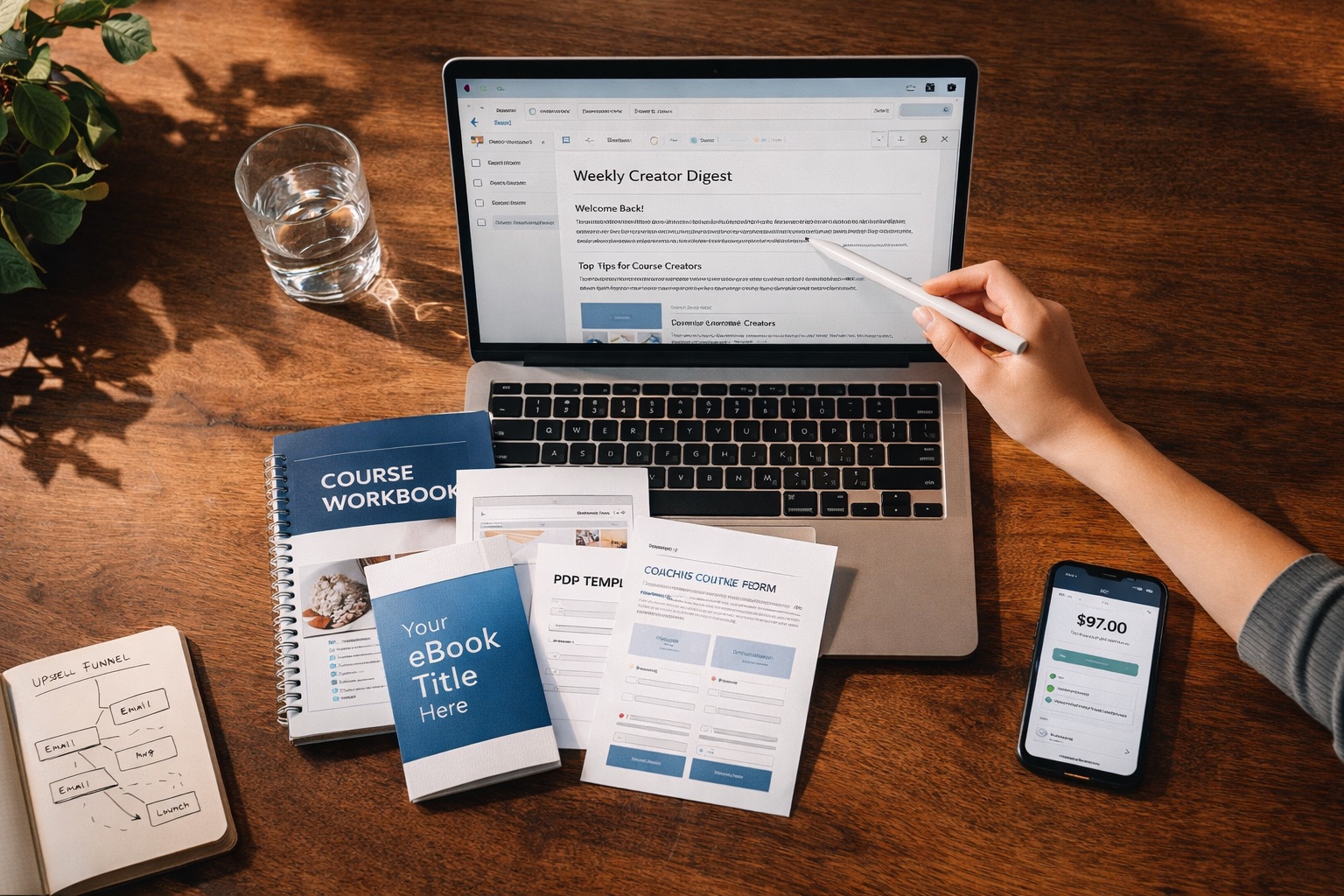
Newsletter Upsell Strategies: How to Sell Digital Products to Your Email Subscribers
Email converts digital product sales at 40x the rate of social media — yet most newsletter creators undermonetize because they upsell incorrectly. The complete architecture: the 7-email post-subscribe sequence that warms subscribers before the pitch, the four mid-issue CTA formats ranked by conversion rate, dedicated launch issue structure, product-type positioning for courses/templates/ebooks/coaching, segmentation-based upselling, and the non-buyer re-engagement approach that reaches subscribers on their own timeline.
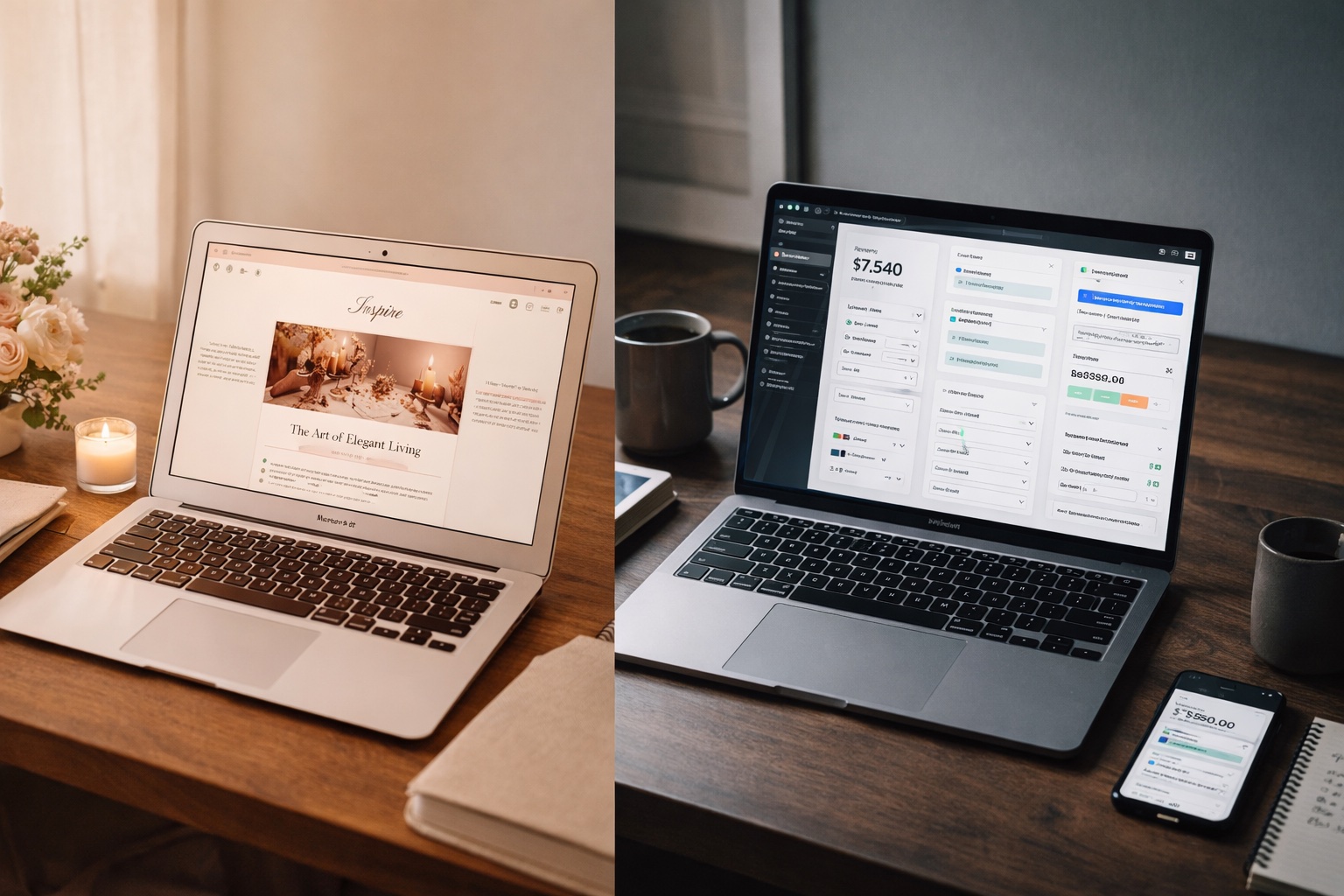
Flodesk vs InfluencersKit: Which Email Platform Is Right for Your Creator Business?
Flodesk was built for beautiful emails. InfluencersKit was built for creator revenue. That design philosophy drives every product decision — and determines which platform is right for your business model. Honest comparison across pricing (including the flat-rate illusion), automation, monetization (where the gap is decisive), analytics, growth tools, and a three-year opportunity cost calculation that most platform reviews never run.
How to Create a Paid Membership Newsletter: Tiers, Pricing, and Content Strategy
Paid newsletters generate revenue that compounds with every subscriber and is immune to algorithm changes. The complete framework: pricing that reflects actual content value, the free-to-paid content split that converts without giving everything away, founding member launch mechanics, retention systems that reduce churn, and the platform fee math that decides how much you actually keep.

Newsletter Strategy for Course Creators: Build Your List, Warm Your Audience, Fill Your Program
Course sales require the deepest trust of any creator product. Email is the only channel that builds that trust systematically. The complete system: lead magnets that pre-qualify students, a 10-email welcome sequence designed for enrollment, inter-launch content strategy, launch sequence framework, post-launch re-engagement, and evergreen enrollment system.