Newsletter Referral Programs: How to Add 500+ Subscribers/Month on Autopilot
Referred subscribers cost less to acquire, engage 40% more, and churn at half the rate of cold-acquired subscribers. This is the complete guide to designing reward structures that actually work, promoting your program to existing subscribers, and setting up without SparkLoop.
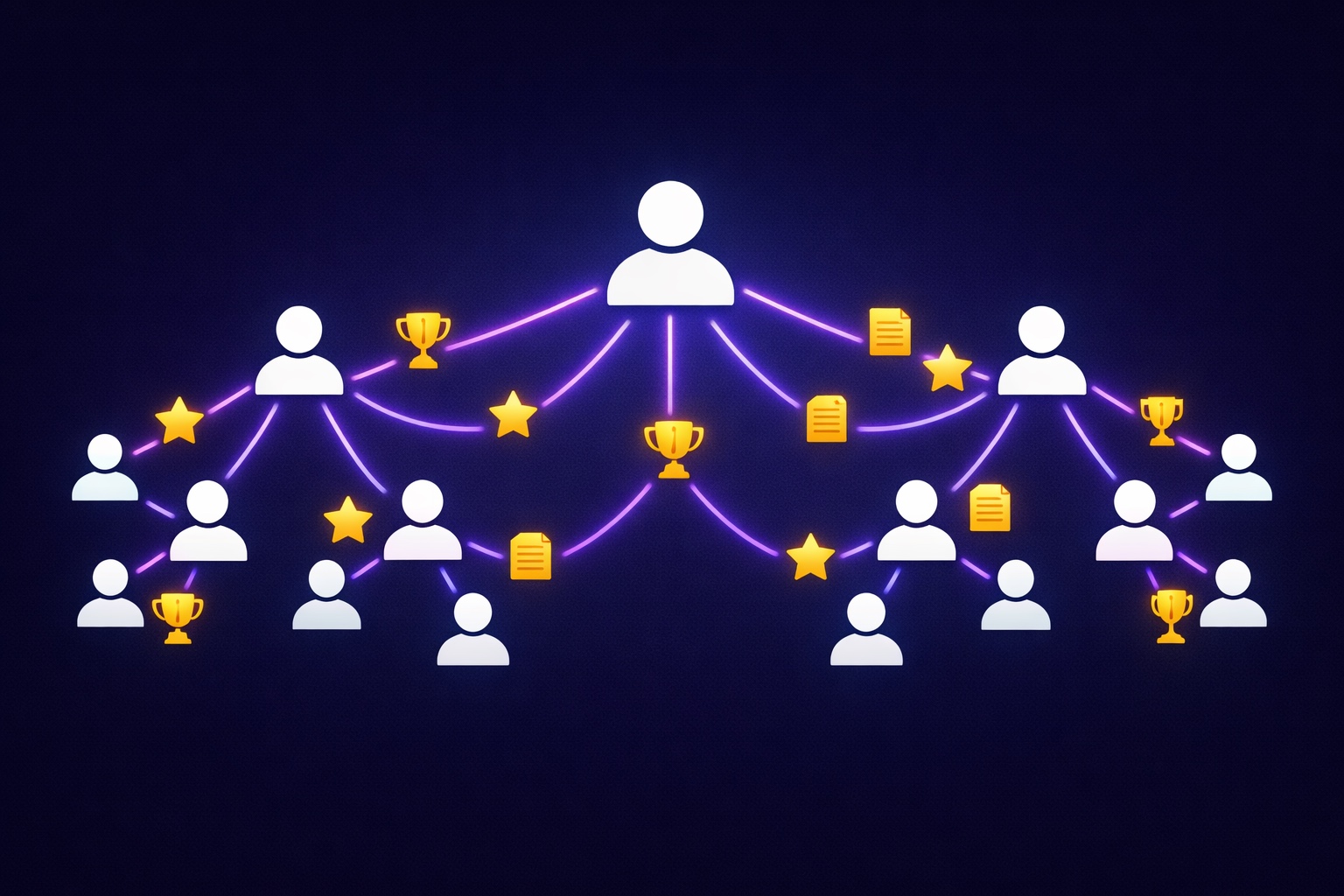
In 2020, The Morning Brew had around 1.5 million subscribers. Their referral program was generating roughly 30% of all new subscriber growth — meaning 450,000 of those subscribers came not from ads, SEO, or social media, but from existing subscribers inviting other people.
The referral program required paying for no ads. It required no additional content creation. Every new subscriber who joined through a referral was pre-qualified by a trusted recommendation and showed 40% higher engagement than cold-acquisition subscribers.
This pattern repeats across newsletters of every size. From creators with 2,000 subscribers adding 100-300 new readers per month through referrals, to large newsletters where referred subscribers consistently outperform every other acquisition channel. It is, by any measurable standard, the most efficient way to grow a newsletter — and most creators aren't running one.
This guide covers why referral programs work at a psychological level, how to design reward structures that actually motivate (and the common mistakes that kill programs before they start), real examples of newsletters adding 500-2,000 subscribers per month through referrals, and the complete setup in InfluencersKit.
Why Referrals Are the Cheapest and Highest-Quality Growth Channel
Before getting into setup mechanics, it's worth understanding why referral growth is categorically different from every other subscriber acquisition method.
Referrals vs. Other Acquisition Channels:
Cost per subscriber:
- Paid social ads: $2-8 per subscriber (widely variable by niche and platform)
- Newsletter cross-promotions (swaps): $0.50-3 per subscriber equivalent
- SEO/content marketing: $1-4 per subscriber (once content is ranking)
- Referral programs: Cost of reward ÷ subscribers generated — often $0.10-0.50 per subscriber when rewards are digital (an extra month of paid access costs you nothing extra in delivery)
Subscriber quality (engagement after 90 days):
- Paid social: 20-28% open rate (skeptical, didn't ask to be found)
- SEO organic: 28-35% open rate (motivated, found you through search)
- Referrals: 38-48% open rate (trusted recommendation, came expecting to love it)
Churn rate at 6 months:
- Paid acquisition: 35-50% churn
- Organic (SEO, social): 20-30% churn
- Referrals: 12-20% churn
Referral subscribers cost less to acquire, engage more, and stay longer. No other channel combines all three advantages simultaneously.
The reason is psychological: when a trusted person recommends something, they're lending their credibility to your newsletter. The new subscriber arrives with social proof already baked in — "my friend reads this and thinks I should too." That's a fundamentally different starting relationship than a cold ad impression.
Why Most Creators Don't Run Referral Programs (And Why That's Changing)
Until recently, setting up a newsletter referral program required a third-party tool like SparkLoop, which starts at $49/month and has historically required minimum subscriber counts for access. For early-stage creators, $49/month for a growth tool felt like a luxury.
The result: referral programs were effectively only accessible to newsletters that had already reached meaningful scale — the creators who needed them most (those still building) couldn't justify the cost.
The true cost of the SparkLoop vs. built-in approach:
- SparkLoop Starter: $49/month → $588/year just for the referral mechanic
- SparkLoop + email platform (e.g., Kit): $49 + $79/month = $128/month minimum for a newsletter at 5,000 subscribers
- Beehiiv (referral built-in, paid plan): $42/month including referral features
- InfluencersKit (referral built-in): Referral program included in platform — no separate tool, no separate cost
For creators choosing a platform, the built-in referral program on InfluencersKit saves an estimated $49-98/month vs. running a separate SparkLoop integration (SparkLoop pricing as of 2026 — verify at sparkloop.app/pricing) — roughly $588-1,176/year, before accounting for the platform subscription itself.
Designing Your Referral Program: Rewards That Actually Motivate
The mechanics of a referral program are simple: subscriber A gets a unique referral link, shares it, new subscribers sign up through that link, subscriber A gets a reward once a threshold is reached. The complexity — and the place most programs fail — is in the reward design.
What Motivates Referrals (The Psychology)
Subscribers refer your newsletter for two reasons: they genuinely believe their friend would benefit, and they want the reward. The first motivation is non-negotiable — people won't recommend things they don't believe in regardless of the reward. But the reward is what converts passive belief into active sharing behavior.
Reward types ranked by motivation effectiveness:
Tier 1 — Exclusive access (most motivating):
- Access to your paid newsletter tier for free (for a period)
- Entry to a private community or Discord
- Access to exclusive content that can't be purchased anywhere else
- Early access to products, projects, or interviews
Exclusive access rewards work because they can't be obtained any other way. The scarcity is built-in and genuine.
Tier 2 — Digital content (high ROI for creator):
- Premium resource, guide, or template not available to free subscribers
- Bonus newsletter archive access (all past issues)
- Bonus "best of" compilation not sent to regular list
Zero delivery cost for digital rewards — your cost is the initial creation time. ROI on referrals is extremely high when rewards are digital.
Tier 3 — Shoutouts and recognition (social motivation):
- Feature in the newsletter ("top referrers this month")
- Social media shoutout from your account
- Inclusion in an "ambassador" community or leaderboard
Works well for engaged communities but less motivating for casual subscribers. Best used as a supplement to, not replacement for, tangible rewards.
Tier 4 — Physical goods and discounts (lowest ROI):
- Branded merchandise (notebooks, stickers, t-shirts)
- Discount codes for products
- Gift cards
High cost, logistical complexity (shipping), and lower intrinsic connection to the newsletter itself. Only worth it if your brand has strong merchandise demand or you have existing products to discount.
Milestone Rewards vs. Flat Rewards: Which Works Better
Flat reward:
Refer 1 subscriber → get X. Simple, low barrier, generates more referrers overall but fewer referrals per person. Best for newsletters where broad participation matters more than power referrers.
Milestone reward:
Refer 3 = reward A. Refer 10 = reward B. Refer 25 = reward C. Creates escalating motivation — each referral is progress toward the next milestone. Best for newsletters with highly engaged core audiences who have social reach and motivation to compete.
The Morning Brew structure (widely emulated):
- 1 referral: Sticker pack
- 3 referrals: Branded notebook
- 5 referrals: T-shirt
- 10 referrals: 1-year subscription to partner service
- 25 referrals: Premium tier free for 1 year
For most independent creators, replace physical goods with digital rewards and premium access. The milestone psychology is what matters, not the specific rewards.
Recommended starting structure for most creators:
- 1 referral: A specific bonus resource or template (instant gratification, low barrier)
- 5 referrals: 1 month free access to your paid tier (or your best premium resource)
- 15 referrals: 6 months free paid access or exclusive community access
- 25+ referrals: Personal thank-you + lifetime free access to paid tier or co-creator designation
Promoting Your Referral Program to Existing Subscribers
Most referral programs underperform because creators set them up and then never talk about them. The referral program needs to be visible in every subscriber touchpoint — not once, not on launch day, consistently.
The 5-touchpoint referral visibility system:
- P.S. line in every issue: A one-line referral mention in the P.S. of every regular newsletter: "P.S. — Loving this newsletter? Share it with one person who'd appreciate it. You'll earn [reward] when they subscribe. Your referral link: [personalized link]." This alone is responsible for 40-60% of referral program activity.
- Dedicated referral issue (once per quarter): An entire email focused on your referral program — what it is, what subscribers can earn, a spotlight on top referrers, and a personal ask. Subject line: "How you can earn [reward] just by sharing this newsletter."
- Welcome sequence inclusion (Email 6 or 7): New subscribers who've had 2-3 weeks of delivered value are primed to share. Email 6 or 7 of your welcome sequence is the natural moment to introduce the referral program — they know your newsletter is good, they're engaged, and they haven't been asked to do anything yet.
- Milestone celebration emails: When you hit a subscriber milestone (500, 1,000, 5,000), send a celebration email that includes a referral ask: "We just hit [milestone] subscribers — that's because of readers like you. If you want to help us reach [next milestone], sharing your referral link takes 30 seconds."
- Social posts with referral link: Share your referral link (or a landing page promoting it) across your social platforms occasionally. Frame it as "the easiest way to support this newsletter" rather than "earn a reward." The prosocial framing works well with existing audiences.
Real Examples: What Referral Growth Actually Looks Like
Referral program performance examples across newsletter sizes:
Small newsletter (2,500 subscribers):
- Referral program launched: flat reward (bonus template at 1 referral)
- Month 1: 48 new subscribers from referrals (1.9% of list generated referrals)
- Month 3: 90+ referral subscribers per month as referral visibility increased
- Cost of rewards: 90 bonus template deliveries (digital, ~$0 delivery cost)
- Cost per subscriber via referral: effectively $0
Mid-size newsletter (12,000 subscribers):
- Milestone reward structure (5 tiers, digital + paid access rewards)
- Monthly referral subscribers: 350-500
- 25% of all new subscriber growth from referrals
- Top 10 referrers responsible for 45% of all referred subscribers
- Referred subscriber 90-day open rate: 41% vs. 29% for organic
Large newsletter (75,000 subscribers):
- Referral program running for 18 months
- Monthly referral subscribers: 1,800-2,500
- 30%+ of total growth attributed to referrals
- Referral subscribers convert to paid tier at 2.4x the rate of organic subscribers
Numbers represent composite examples based on publicly available newsletter creator reports and industry data. Individual results vary significantly based on newsletter quality, niche, and referral program design.
SparkLoop vs. Built-In Referral Programs: The Real Comparison
SparkLoop is the dominant standalone referral tool for newsletters. It's well-built and does what it promises. Here's the honest comparison with InfluencersKit's built-in referral program:
SparkLoop advantages:
- Cross-newsletter referral network — subscribers of other SparkLoop newsletters can be recommended to yours
- Very established product with long track record
- Works with any email platform via integration
SparkLoop disadvantages:
- $49/month on top of your email platform cost
- Separate tool = separate login, separate dashboard, integration complexity
- Cross-newsletter subscribers tend to have lower engagement (they subscribed to earn referral rewards from another newsletter, not because they discovered yours organically)
- Pricing increases as referral volume grows
InfluencersKit built-in referral program:
- ✅ Included in platform — no additional cost
- ✅ Native integration — subscriber data, referral tracking, and reward delivery all in the same dashboard
- ✅ Your subscriber's referral link is automatically personalized and available in their subscriber profile
- ✅ Milestone and flat reward structures both supported
- ✅ Automated reward delivery when milestones are hit
- ❌ No cross-newsletter discovery network (SparkLoop's unique advantage)
When SparkLoop is worth it:
If the cross-newsletter discovery feature is generating meaningful subscriber volume for your specific niche, SparkLoop's network effect may justify the $49/month. For most creators, the built-in referral program delivers 90%+ of the benefit at $0 additional cost.
Setting Up Your Referral Program in InfluencersKit
Complete setup guide (under 30 minutes):
Step 1 — Define your reward structure
Before touching any settings, decide: flat reward or milestone? What are the specific rewards at each level? For simplicity when starting: one milestone (refer 3 subscribers, get [reward]) is easier to communicate and still drives strong results.
Step 2 — Create your rewards
For digital rewards: upload your PDF, template, or resource to InfluencersKit. For paid access rewards: configure the complimentary access duration in your subscription settings. For community access: prepare the invite link you'll send manually or automate.
Step 3 — Configure referral program in InfluencersKit → Growth → Referral Program
- Set milestone thresholds and assign rewards to each
- Configure automated reward delivery (InfluencersKit sends the reward email automatically when a milestone is reached)
- Customize the referral share page (the landing page a referred subscriber sees when they click a referral link)
- Set tracking window (how long a referral link remains active after being clicked)
Step 4 — Add referral link to Email 1 of your welcome sequence
New subscribers get their personal referral link in the welcome email: "Your personalized referral link: [link]. Share it with one person who'd love this newsletter. You'll earn [reward] when they subscribe."
Step 5 — Add referral mention to your newsletter P.S. template
Add a one-line referral mention with the dynamic referral link variable to your standard newsletter footer or P.S. section. This runs in every issue automatically with each subscriber's personalized link.
Step 6 — Send launch announcement to existing subscribers
One email announcing the referral program to your existing list: what it is, what they can earn, and their personal link. This single email typically generates the first burst of referral activity.
A referral program works best as part of a broader list-building system — not as a standalone tactic. Pair it with a strong lead magnet that converts landing page visitors, a landing page that explains your newsletter's value clearly, and a welcome sequence that converts new subscribers into engaged readers who actually want to refer others. The referral program amplifies your existing growth — it doesn't replace the foundation.
Referral Program Built In. No SparkLoop Required.
InfluencersKit includes a full referral program as part of the platform — milestone rewards, automated delivery, personalized subscriber links, and performance analytics in the same dashboard you use for everything else. No extra tools, no extra cost. Most creators set it up in under 30 minutes and see their first referral-driven subscriber within a week.
Start your free trial — launch your referral program this week and add your first 50 referred subscribers this month.
Stay Updated
Get the latest insights, strategies, and tips delivered directly to your inbox. Join thousands of creators who are building their email communities with our weekly newsletter.
No spam, unsubscribe at any time. We respect your privacy.
Related Articles
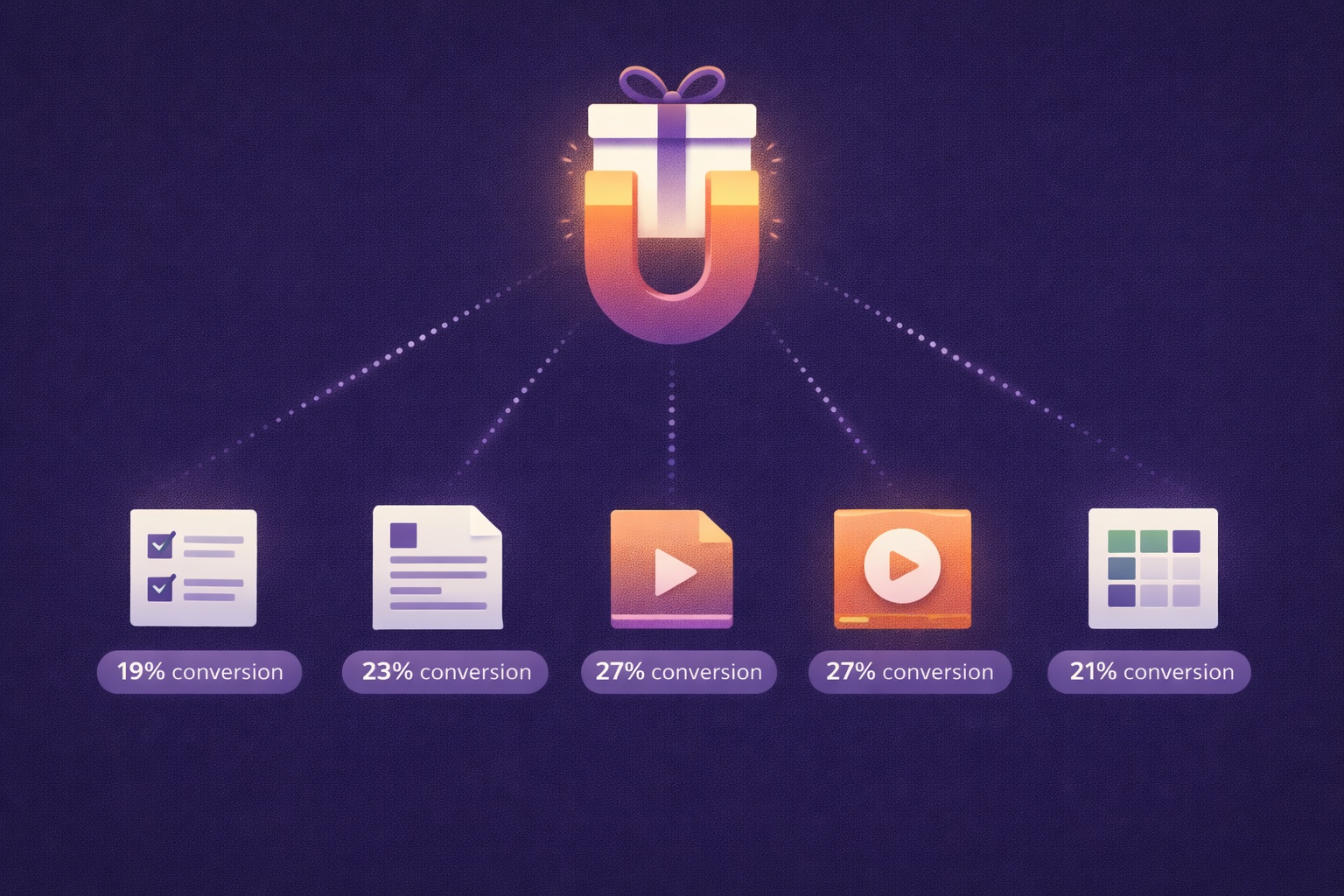
47 Lead Magnet Ideas for Creators: The Fastest Way to Grow Your Email List in 2026
The right lead magnet can 3-5x your signup rate overnight. 47 specific ideas across 6 creator types — YouTubers, writers, podcasters, coaches, social creators — with conversion rate context, creation time estimates, and delivery setup instructions.

They Unsubscribed, Then Signed Up Again. Now What?
Only the reader can reverse an unsubscribe. A fresh signup is a request, not proof. Why imports, forms and bulk edits quietly resubscribe people, and how to build a confirmation step that a link scanner or a stranger cannot trigger.

Your List Grew 1,500 Overnight. None of Them Are Real.
A signup spike with no launch behind it is usually list bombing. Fifteen hundred fake signups can push a welcome stream to six times Gmail's complaint limit and overstate your list by 30% to sponsors. How to spot them, why Apple Mail hides some, and how to clean up without making it worse.

Newsletter Reactivation: How to Win Back Inactive Subscribers (With Templates)
Every newsletter has inactive subscribers silently dragging down deliverability. A well-designed reactivation campaign recovers 8–20% of them while identifying the truly unrecoverable. The four-part reactivation sequence, subject lines that break through inbox habituation, the list hygiene logic that improves metrics after removal, and the onboarding system that prevents inactivity from accumulating in the first place.

Newsletter Viral Loops: How to Make Your Subscribers Your Growth Engine
Most newsletter growth requires proportional effort. A viral loop changes this: each new subscriber creates a mechanism that brings in additional subscribers. The viral coefficient math, four loop architectures (referral, forward, access gate, social proof), stacking strategy, re-promotion system, and the content quality foundation that makes viral growth compound rather than spike.

Newsletter Cross-Promotion: How to Add 300-700 Subscribers Per Month at Zero Cost
A well-executed newsletter swap can generate 200–500 new subscribers in 48 hours at zero acquisition cost. The complete system: the 4-factor partner qualification criteria, five cross-promotion formats ranked by conversion rate, outreach pitch templates that get replies, and a monthly programme that produces subscriber growth reliably.
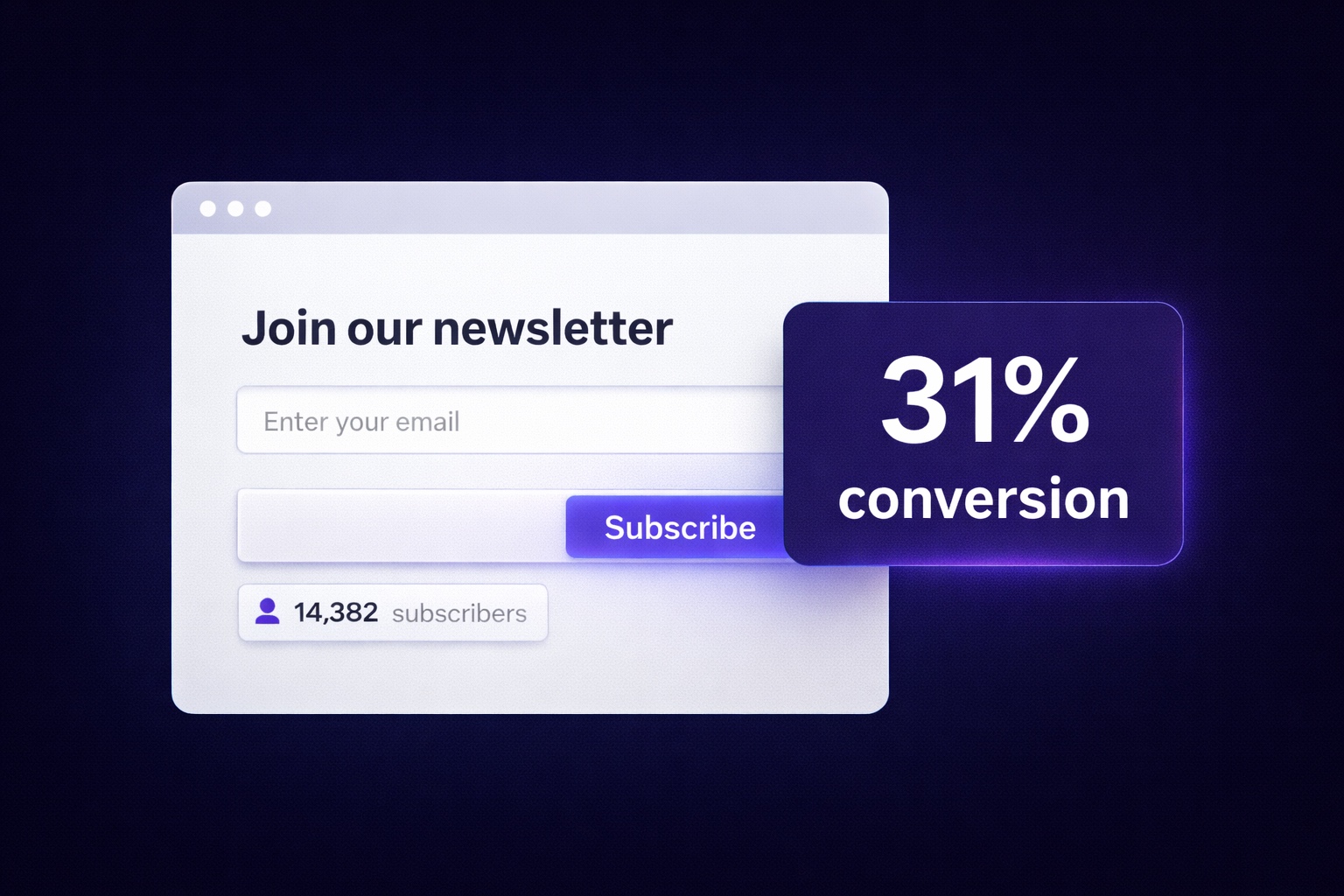
Newsletter Landing Page Optimization: How to Convert 30%+ of Visitors into Subscribers
The average newsletter landing page converts at 9%. The best hit 30-50%. The gap is entirely predictable — headline clarity, social proof placement, value proposition specificity, and CTA design. Full anatomy breakdown, 10 patterns of high-converting pages, mobile optimization, and A/B test priority order.

Creator Email Marketing: Complete Strategy Guide from 0 to $10K/Month
Step-by-step roadmap to build a profitable newsletter from zero subscribers to $10,000 monthly revenue. Tactical strategies, growth timelines, and monetization milestones for content creators.

How to Build an Email List as a Content Creator: 0 to 10,000 Subscribers
The complete roadmap for growing your email list from zero to 10,000 engaged subscribers. Real timelines, proven strategies, and actionable tactics that actually work in 2026.

Your Readers Can Leave Without Ever Seeing Your Page.
Since 2024, Gmail and Yahoo require one-click unsubscribe. A mail-app button removes the reader instantly, with no page, no options and no reason. Your preference centre now reaches only footer-link leavers, so the 'less, not none' options belong inside the email.

Moving Your Newsletter? The List Is the Easy Part.
The CSV moves in five minutes. Sender reputation, unsubscribes, paid subscriptions, automations and old signup forms do not. The order that gets a newsletter to a new platform without losing inbox placement or emailing people who opted out.

A Subscriber Is Worth $1.25 a Year. Now Price Your Ads.
Two sponsored slots at a $30 CPM with a 40% open rate earn about $1.25 per subscriber per year. Against a defensible CAC near $2 and cost-per-signup commonly $2-5, most paid acquisition is at or past break-even before you account for paid cohorts converting worse than organic ones.